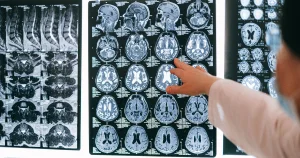


When researchers at Columbia University scanned the brains of people experiencing romantic rejection, they found that the same neural regions activated by physical pain also lit up in response to heartbreak. This is not a metaphor. The pain of a breakup is processed in the brain using the same machinery as a broken leg.
The brain also responds to a lost relationship the way it responds to a lost addiction with craving, obsessive thinking, and profound discomfort. The love system in the human brain involves dopamine, norepinephrine, and serotonin, the same neurotransmitters involved in substance dependence.
Understanding this changes how we should treat breakup pain: not as a character weakness to overcome, but as a genuine physiological experience that requires time and process to heal.
Stage 1: Shock And Denial
The first stage is characterized by numbness, disbelief, and a sense of unreality. Even if the relationship had been struggling for months, the actual moment of ending often comes as a shock.
What this looks like: repeatedly checking your phone, being unable to believe it is really over, minimizing what happened, assuming they will come back, and being unable to concentrate.
What helps: allow the shock. Do not make major decisions. Maintain basic routines — sleep, eating, movement. Reach out to one or two trusted people. Avoid alcohol and substances, which delay processing.
What makes it worse: immediately jumping into dating apps, seeking rebound relationships, or making large life decisions from a state of crisis.
Stage 2: Anger And Bargaining
As the numbness lifts, it often gives way to anger, sometimes at them, sometimes at yourself, sometimes at the situation. Bargaining is anger’s negotiating cousin: the endless mental replaying of “if only” scenarios.
What this looks like: obsessive rumination about what went wrong, fantasies of winning them back, anger that swings between blaming them and blaming yourself, desperate attempts to fix or re-engage.
What helps: physical exercise to channel the anger energy. Journaling to externalize the obsessive thoughts. Clear boundaries around contact are a primary reason for the no-contact approach. See Article 7.
What makes it worse: stalking their social media, sending emotional messages, and making dramatic gestures.
Stage 3: Depression And Isolation
When bargaining and anger exhaust themselves, a deeper sadness usually follows. This is the stage that most resembles clinical depression, and it is the one people try to skip over the most. It cannot be skipped.
What this looks like: withdrawal from friends and activities, difficulty finding motivation, disrupted sleep and appetite, persistent sadness, a loss of sense of identity, especially in long relationships.
What helps: allow the grief without judging it. Maintain minimal social connections even when you do not feel like it. Gentle physical activity. Therapy or structured support programs. Resist the urge to numb.
Warning: if depressive symptoms persist for more than 2–3 weeks at high intensity, or if you experience thoughts of self-harm, seek professional support.
Stage 4: Acceptance
Acceptance does not mean you are happy about what happened. It means you have stopped fighting the reality that it did happen. It arrives gradually and non-linearly; you may reach acceptance on a Tuesday and feel you have lost it by Thursday.
What this looks like: fewer intrusive thoughts about them. Ability to recall the relationship without being overwhelmed. A beginning sense that your life can be full without them. Reduced physical discomfort.
What helps: continue building life structures, routines, goals, and social connections. Begin exploring who you are outside this relationship. Reflect on what the relationship taught you about yourself.
Stage 5: Rebuilding
Rebuilding is the final and most generative stage. It is where real growth happens — not just a return to your pre-relationship baseline, but a genuine expansion of your identity, relationships, and self-understanding.
What this looks like: active investment in new interests, friendships, and goals, the ability to think about future relationships with openness rather than fear. A clearer sense of what you want and do not want.
A common mistake: people confuse entry into a new relationship with having completed Stage 5. If you enter a new relationship primarily to escape grief rather than from genuine readiness, you carry unprocessed material into it.
What Helps Vs What Makes It Worse
What helps: exercise and movement, journaling and expression, maintaining basic routines, structured grief work, therapy or coaching support, and allowing the stages to unfold naturally.
What makes it worse: alcohol and substance use, social media stalking, isolation, rebound relationships from unreadiness, making major decisions in a crisis state, and rushing to skip stages.
How Long Does Recovery Actually Take
Research suggests it takes an average of 3 months to stop having intrusive thoughts about a former partner. For longer relationships or more significant attachments, 6–12 months for meaningful recovery is common. These are averages, not predictions. The key variable is not time — it is how actively you engage with the process.
Frequently Asked Questions
Is it normal to grieve a relationship that wasn’t healthy? Yes. You can simultaneously know that a relationship was not good for you and grieve it deeply. What you grieve is not just the person but the investment, the routines, the shared identity, and the future you imagined.
What is the fastest route through the stages? Counterintuitively, trying to rush is what slows you down. The fastest route is full engagement with each stage — allowing the grief, doing the inner work, maintaining routines, and seeking support. Avoidance extends the process.
About Relatio
Relatio’s Breakup Healing program meets you wherever you are in the recovery process, whether you just broke up yesterday or have been stuck in grief for months. Daily guided practices, expert talks, and 24/7 AI chat support help you move through each stage with structure and genuine support. If reconnection is ever the right path, the program helps you assess that too. Start your healing plan at getrelatio.com.